Before Walking In
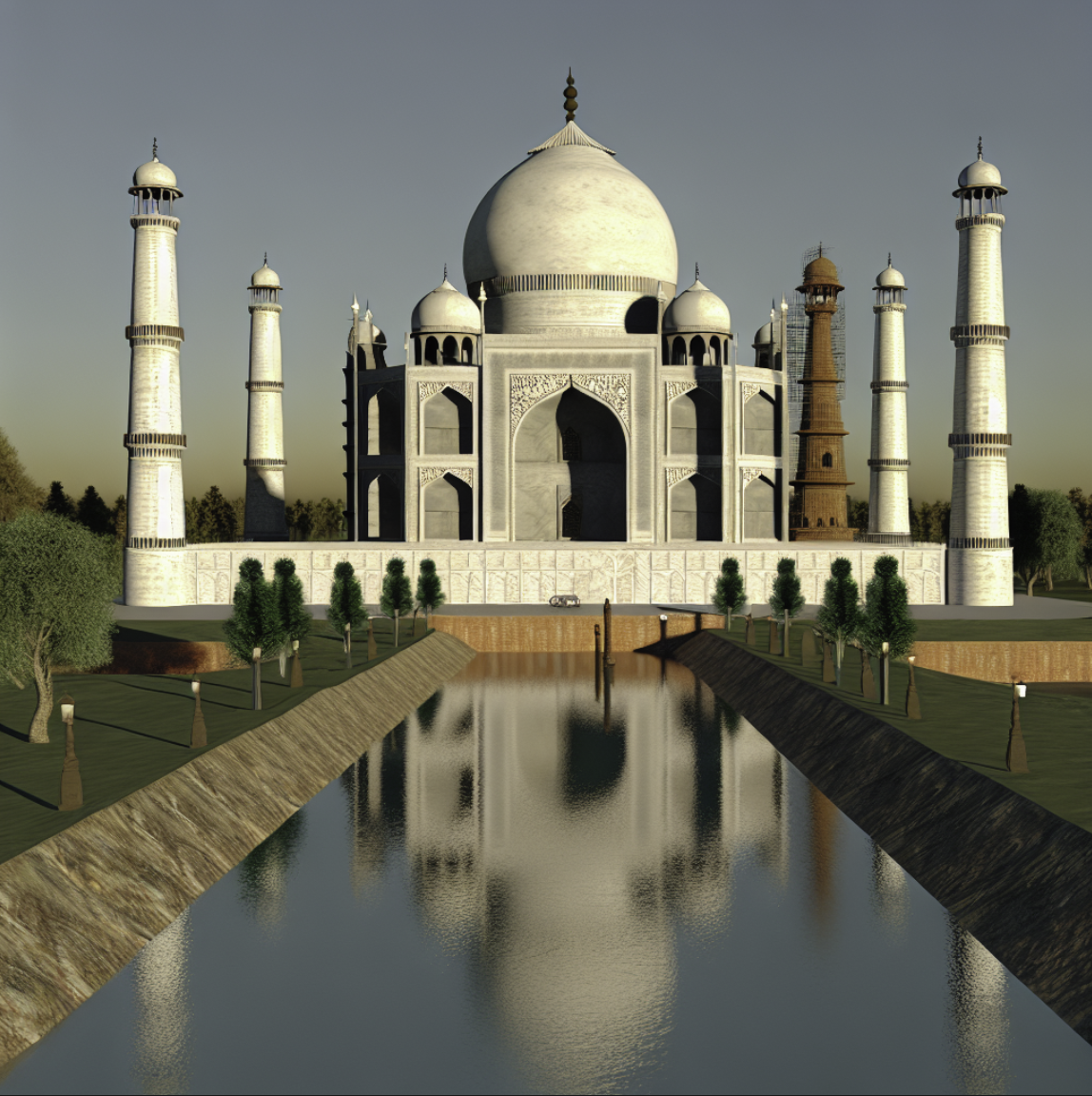
I began by asking for an image of the Taj Mahal with the Yamuna River.
While first Kabir gave me a AI generated unrealistics Taj Mahal image
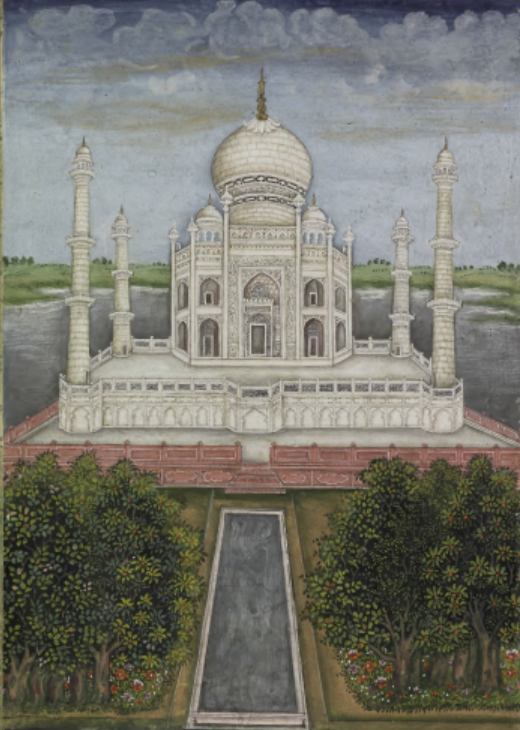
Soon after, I was shown an early historical depiction of the Taj Mahal, from around 1650. It felt like looking at the Taj through the eyes of its own time.
Standing in Front of the Taj
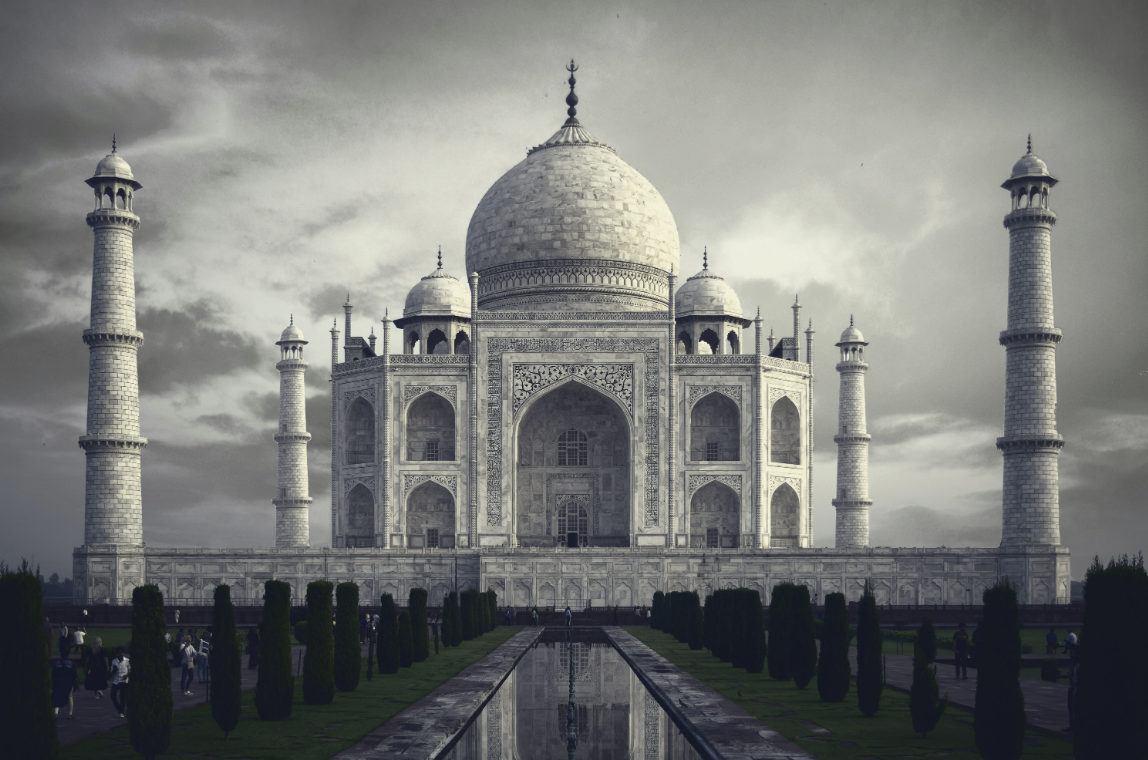
Later, I found myself standing right in front of the Taj Mahal. At that moment, I felt only two words:
“Glorious Taj Mahal.”
Entering From the East Gate
Next, I entered the Taj Mahal through the East Gate.
I was then shown a historical view of the Taj from the east, dated around 1858.
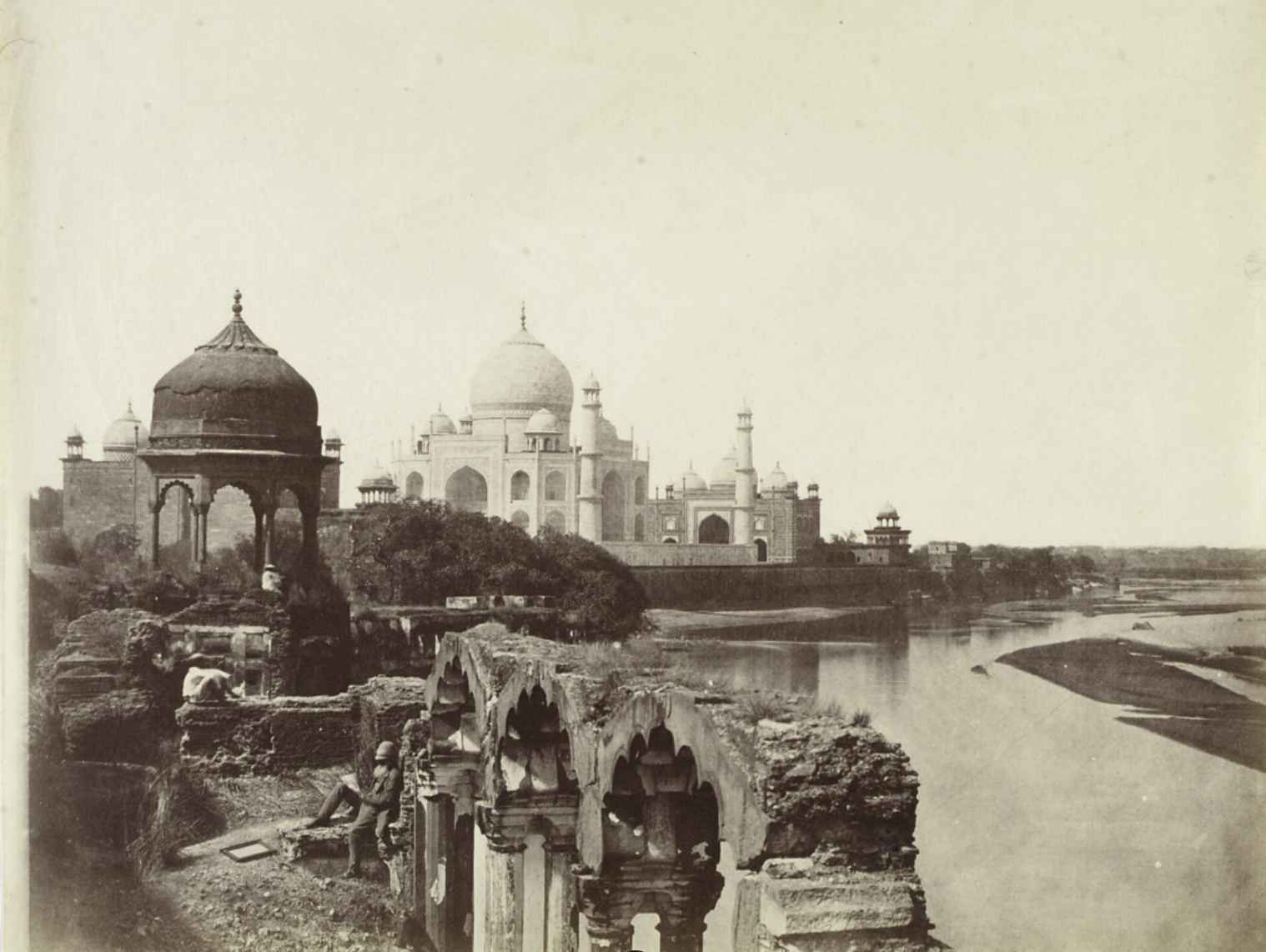
Walking in while hearing its story made the space feel layered — present and past at the same time.
Listening While Inside
As I moved forward, I listened to the story of how the Taj Mahal came into existence — how it began in 1631, how it took decades to build, and how artisans from many regions worked on it.
I wasn’t stopping to read plaques. I was walking, listening, and absorbing the place as I went.
Pausing Under the Arch
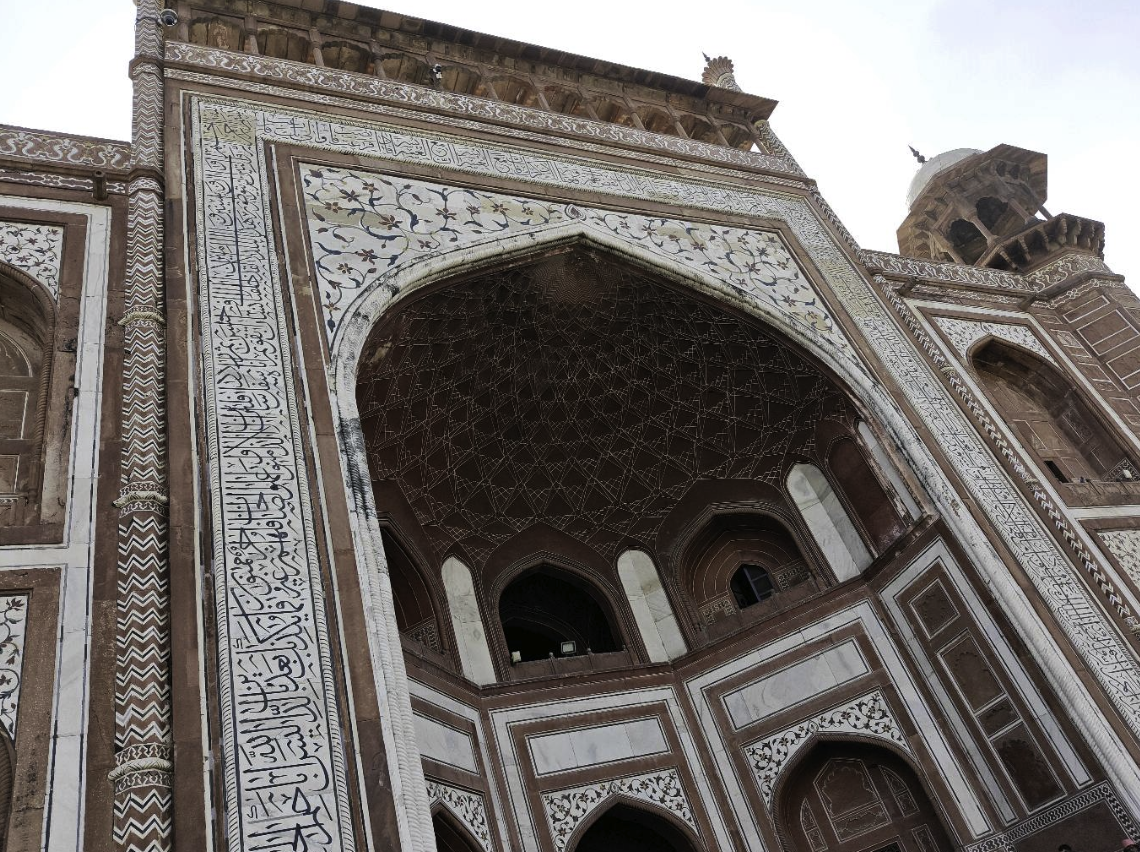
At the main arch, I stopped again. I was told to look up — to notice how the calligraphy subtly changes size, how symmetry dominates the design, and how even the smallest details were intentional.
The idea that stayed with me most was this: everything is symmetrical — except the emperor’s own tomb.
Adding Images as I Went
As the visit continued, I added more images from inside the complex.
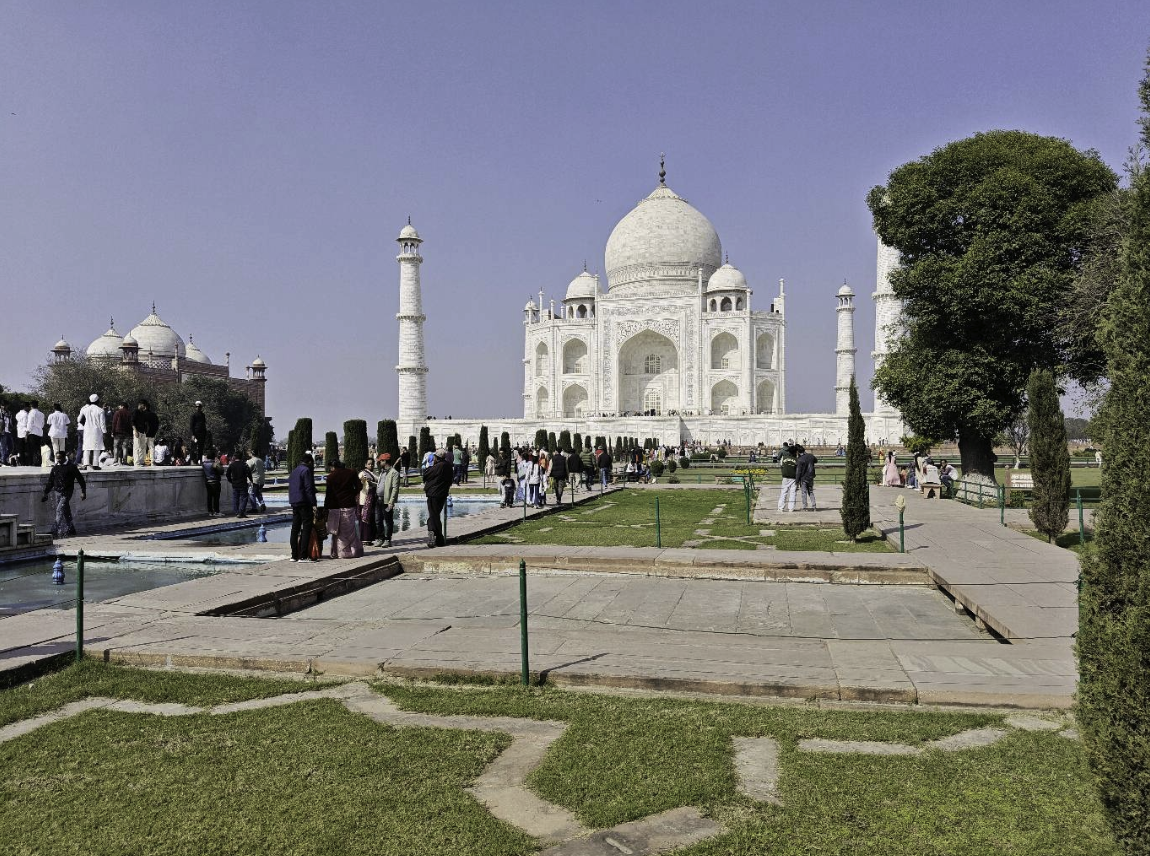
And later
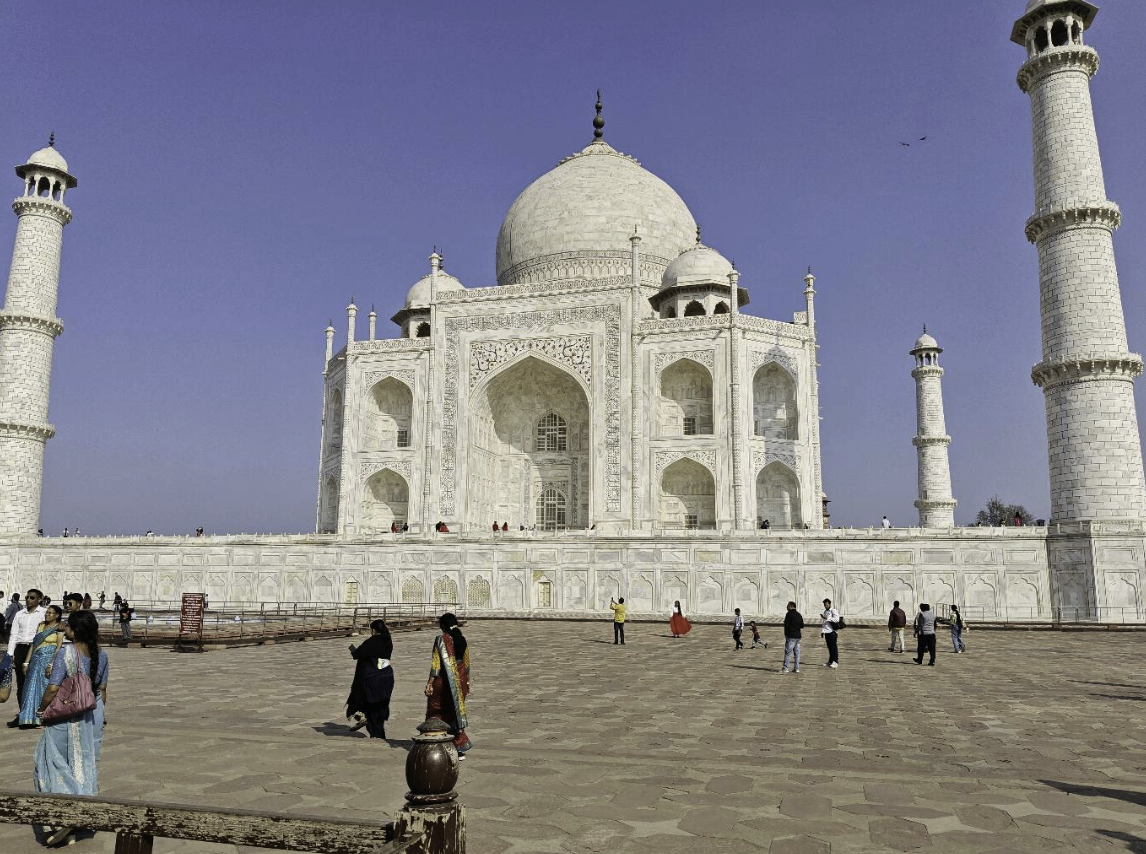
Looking back at them now, I can see how the people in the frame give scale to the monument — it’s massive, but not overwhelming.